The Myth of Nature’s Perfect Balance
The myth of nature’s perfect balance hides how ecosystems change. Learn to read shifting relationships and choose a useful timescale for observation.
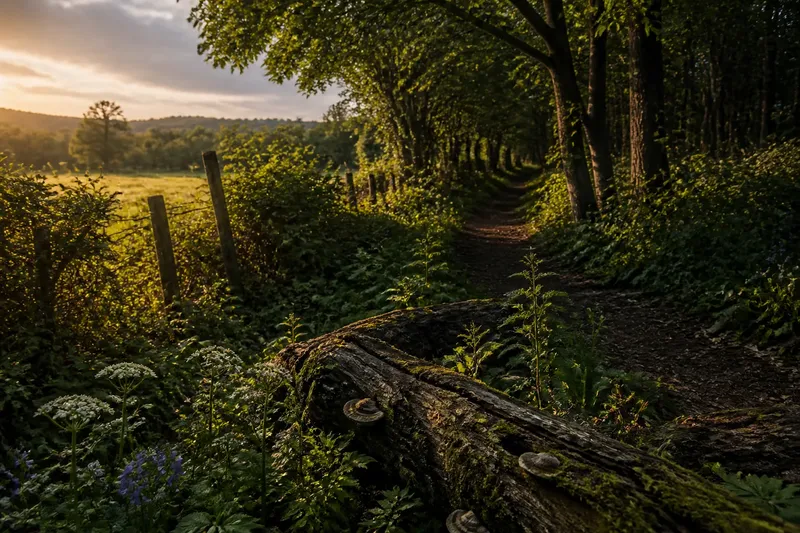
The myth of nature’s perfect balance makes a changing woodland look like a system that has slipped out of place. In reality, ecosystems are shaped by shifting weather, food, competition and disturbance; a quiet-looking patch can contain relationships that are already changing.
That does not mean anything can happen anywhere. Living things depend on particular conditions, and some changes have lasting effects. The useful shift is to stop asking whether a habitat is balanced and ask instead what is changing, over what span of time, and for whom.
Balance or changing relationships?
“Balance” can suggest that every species has a stable place and that each force is neatly countered by another. This picture is tempting because a familiar hedgerow or pond may appear much the same from one visit to the next. But familiar appearance is not proof of fixed conditions: plants flower and fade, animals move, and the available food changes with the season.
Ecologists often describe relationships rather than a single ideal state. A predator may affect where prey feed; grazing may alter which plants grow; shade and moisture may favour one species over another. These effects vary with local conditions, and they need not cancel each other out. One species may thrive while another loses ground.
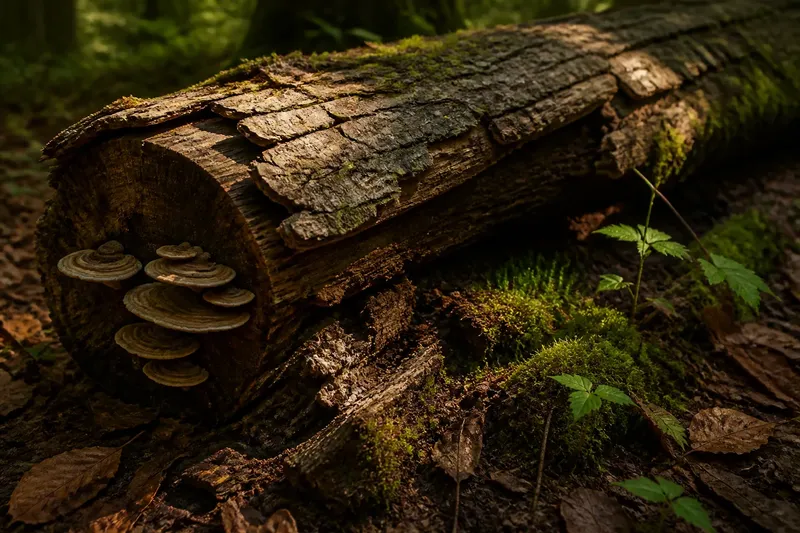
Change can be gradual, such as a canopy thickening and shading ground plants, or abrupt, such as a storm opening the canopy. A disturbance may create feeding or nesting opportunities while removing others. Calling the result “good” or “bad” without naming the organisms and the time span can conceal more than it explains.
Three ways to read change
Choose an observation approach to match the question you want to answer. A quick look is useful for noticing what is present; repeated visits are better for seeing direction; comparisons across places help separate local change from a broader pattern.
- One visit: Note visible conditions such as flowering, standing water, shade, bare ground or signs of grazing. This suits a first look or a short walk, but it offers only a snapshot and cannot tell you whether a feature is new.
- Repeated visits: Return to the same spot at different seasons or after a noticeable change in weather. This suits a question about timing, such as when a pond edge dries or a plant begins flowering. Keep the observation point and the things you record consistent.
- Nearby comparisons: Compare places that differ in one visible condition, such as a sunny bank and a shaded one. This suits a question about how habitat conditions relate to what you see. Treat the contrast as a clue, not proof: several conditions may differ at once.
Say you want to understand why wildflowers are sparse beneath one stretch of a pathside hedge. You revisit the same patch in spring and summer, noting light, soil dampness and flowering plants, then compare it with a nearby gap in the hedge. If the shaded patch stays damp while the gap receives more sun and has different flowers, you have a useful pattern to investigate—not a final explanation, since soil disturbance or other factors may also matter.
Choose a useful timescale
Different questions need different spans of attention. A seasonal question may be answered by comparing spring and summer; a question about a woodland canopy may need observations over a much longer period. Avoid treating a single visit as a trend, or a short-lived change as a permanent shift.
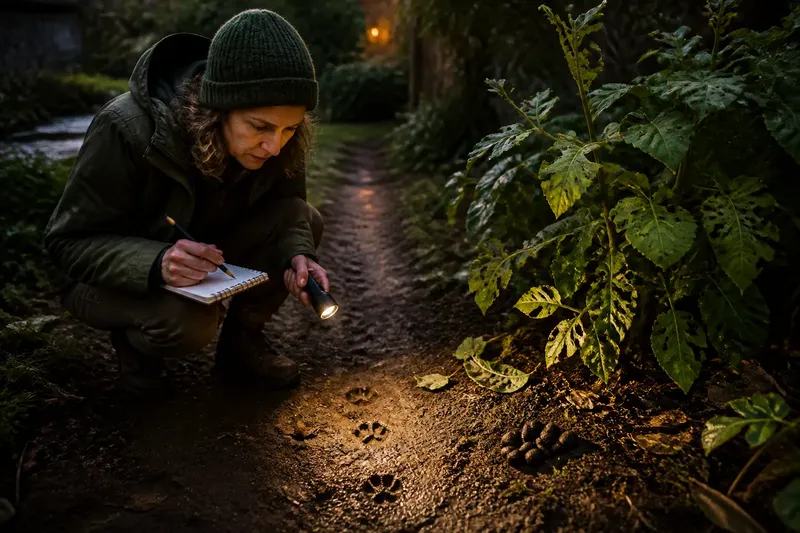
For practical field notes, record the date, place, weather conditions and a few visible features. A paper notebook works well; a phone camera can help you return to the same view, provided you note where you stood and what direction you faced. Record absences cautiously too: an animal you did not see may simply have been elsewhere.
When you compare observations, ask whether you are looking at the same place and the same kind of evidence. A pond edge viewed after rain is not directly comparable with one seen during a dry spell unless the weather difference is part of your question. State what changed in the conditions before interpreting what changed in the wildlife.
What does ecological balance mean?
Do ecosystems ever reach equilibrium?
Some ecological conditions can remain broadly similar for a time, but that does not mean every species or relationship is fixed. Even in a familiar habitat, seasonal cycles and small disturbances keep conditions in motion.
Is disturbance always harmful?
Disturbance can remove shelter or food, but it can also create open ground, dead wood or other opportunities. Its effects depend on the habitat, the species involved and what happens afterwards.
Why do some species benefit while others lose?
Species differ in what they need and how they respond to changing conditions. More light may help a sun-loving plant while disadvantaging a shade-tolerant one, so a change can have uneven consequences within the same patch.
How can I tell a trend from a snapshot?
Repeat the same kind of observation in the same place at different times, and note conditions that could affect what you see. A pattern that recurs across visits is more informative than a single impression, though it still may have several possible causes.
Read uneven outcomes
When one organism appears to benefit, look for who may be losing access to food, cover or space. A dense stand of one plant can provide shelter for some insects while making it harder for other plants to establish. The outcome is not a score for the habitat; it is a relationship with consequences that vary among its inhabitants.
Also separate a visible change from its suspected cause. If fewer flowers appear, note that observation before attributing it to shade, browsing or dry soil. Then look for evidence that could distinguish those possibilities, such as changes in canopy cover, signs of feeding or differences in soil dampness.
The myth of nature’s perfect balance is less useful than a precise account of change: what shifted, where, when, and which organisms were affected. On your next familiar walk, choose one patch and one question, then decide whether a snapshot, repeated visits or a nearby comparison fits best. That choice turns an impression of harmony or disorder into an observation you can build on.